If you are missing a tooth, a dental bridge offers a way to restore bite function and a more natural appearance. This common dental restoration helps you chew and speak with ease by filling the space left by a missing tooth. However, getting good results depends on how well the bridge and its supporting structures are maintained. Exploring the most common reasons why these restorations might struggle over time can help you get the most out of your bridge.
Defining dental bridge failure
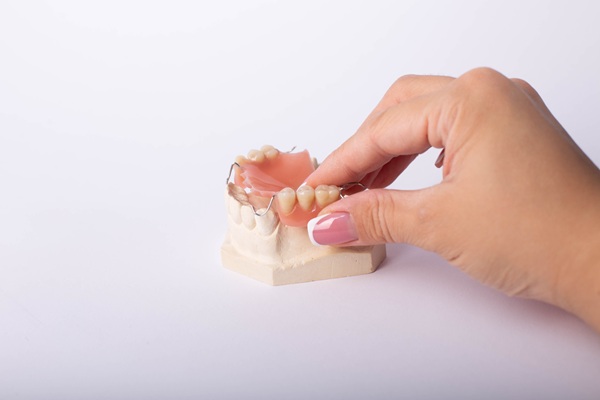
A dental bridge consists of two support teeth, known as abutments, and a false tooth in the middle (the pontic). Failure does not always involve the restoration falling out of the mouth. In many situations, failure refers to a loss of fit, the development of a new cavity on a supporting tooth, or damage to the bridge itself. Because this restoration relies on the surrounding teeth for stability, even a small change in the health of the enamel or the gums can compromise the whole framework.
Take a closer look at the most common causes of dental bridge failure below.
Recurrent decay on the supporting teeth
For a dental bridge, the supporting teeth may be outfitted with either dental crowns or wings to anchor the pontic. Decay at the margins of the crowns or around the wings is a leading reason for complications and eventual bridge failure. For instance, even though the porcelain crown covers the top of the tooth, the edge where it meets the gumline is still made of natural enamel. If plaque sits on this edge for too long, a cavity can form underneath the restoration. This softened tooth structure eventually loses the ability to hold the bridge in place, which requires a new treatment plan to address the damage.
A dentist can catch these issues before the tooth structure is too far gone through regular dental exams and X-rays. Good oral hygiene at home is also important for tooth health and bridge stability.
Gum disease and bone loss
Healthy gums are the foundation of any long-term restoration, including dental bridges. Because a bridge is anchored to the bone through the supporting teeth, any loss of that bone threatens its stability. Unfortunately, untreated gum disease can affect the underlying bone and, thus, loosen the bridge framework.
Gums that appear red or bleed during daily cleaning are often the first signs of trouble. While gum disease is mostly painless in the early stages, the damage it does to the bone is often permanent. Visit a dentist as soon as possible if these symptoms occur; they can manage or even reverse gum disease if caught early enough.
Stress from excessive pressure
Dental bridges must tolerate significant chewing forces every day, and excessive pressure from an uneven bite can crack or fracture the bridge’s components. Similarly, nighttime grinding and daytime clenching can place too much stress on the bridge. Over time, this can loosen the cement, chip the porcelain, or weaken the supporting teeth. With timely touch-ups and protective devices such as night guards, a dentist can help the bridge last longer.
Ask a dentist about dental bridge care
A dental bridge is a smart investment in your smile's health and appearance. At Terry W Rudnyk, DDS, PC, we are here to help keep your bridge stable for years to come. If you have any concerns about the fit or feel of your bridge, contact us today.
Request an appointment here: https://www.refinedsmile.com or call Terry W Rudnyk, DDS, PC at (480) 240-5713 for an appointment in our Scottsdale office.
Check out what others are saying about our dental services on Yelp: Dental Bridges in Scottsdale, AZ.
Related Posts
A dental bridges is a method of teeth replacement that involves the attachment of a dental crown (or multiple dental crowns that form a bridge) and abutment teeth. An implant-supported bridge may also be an option, which is a bridge supported by implants rather than natural teeth. Regardless, keeping the dental bridge clean is essential. Patients…
CEREC® crowns are a great dental restoration option that offers convenience, ease, and efficient results. However, they are still rather new to dentistry, which can cause those that are considering their options to have a lot of questions. CEREC® crowns achieve the same goal as traditional crowns do, but the way the process is executed…
The convenience of CEREC® crowns makes them a popular option for patients with moderate to severe dental problems. CEREC design/manufacture systems allow dentists to create same-day restorations as their patients wait.In addition to quick treatment, same-day CEREC crowns are just as durable as those made in a dental lab. Better yet, the patient gets to…
CEREC® technology allows dentists to make dental restorations onsite, eliminating the need for multiple appointments to get restorations placed on teeth. The acronym stands for the Chairside Economical Restoration of Esthetic Ceramics, and it involves sending data to a CEREC machine that makes restorations in as little as 20 minutes.The traditional way of getting a…